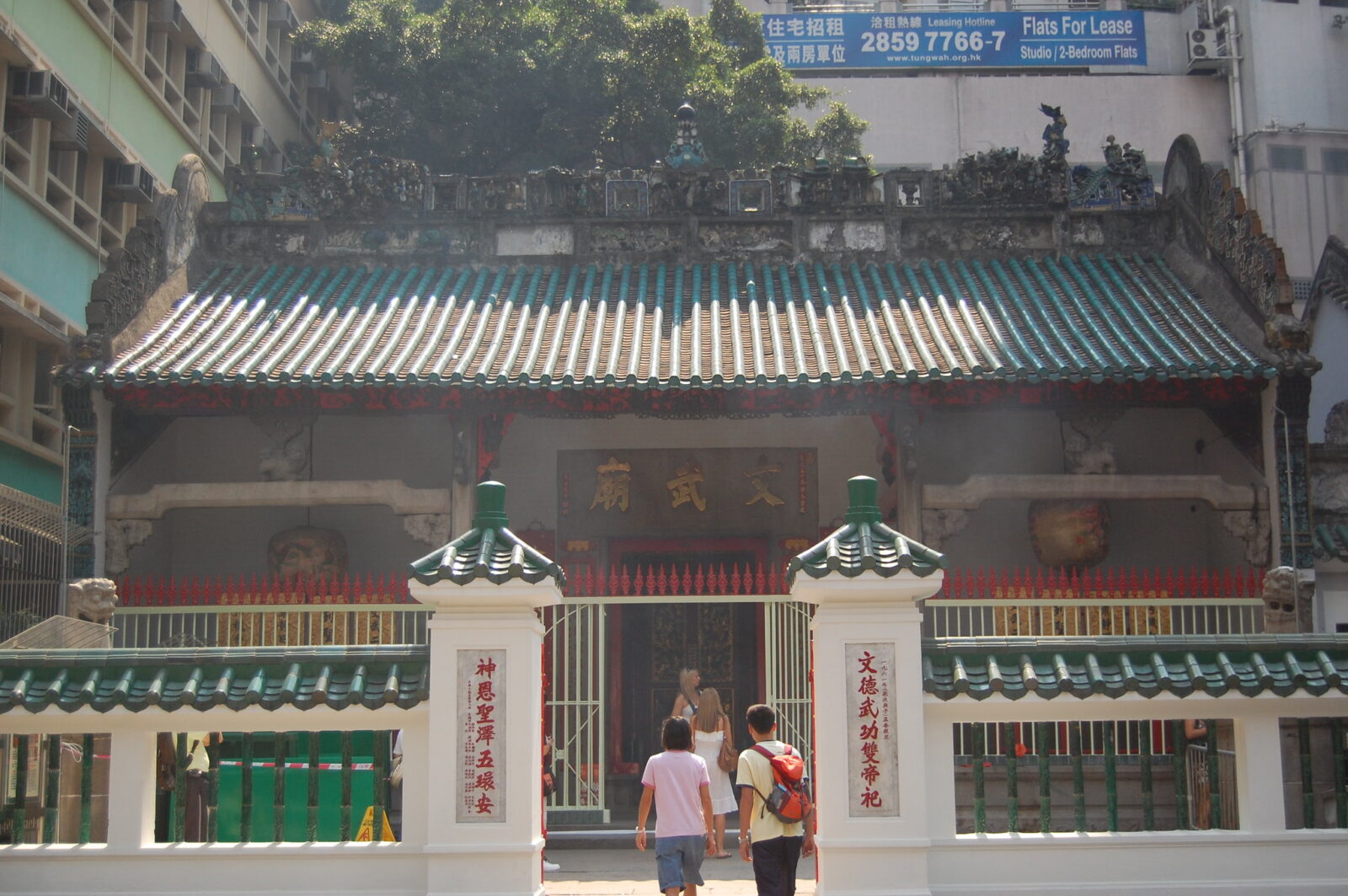
Man Mo Temple
For those looking to explore Hong Kong’s rich cultural heritage, Man Mo Temple offers a profound and atmospheric experience. With our exceptional concierge services, planning your visit to this iconic landmark becomes effortless and enriched. From arranging guided tours to providing insights into the temple’s historical significance, our concierge services ensure you get the most out of your visit. Immerse yourself in the mystical ambiance of Man Mo Temple, witness age-old rituals, and delve into the spiritual essence of Hong Kong. Let us enhance your journey with tailored services designed to create lasting memories.
Nestled in the heart of Hong Kong’s bustling Sheung Wan district, Man Mo Temple stands as a captivating testament to the city’s rich cultural tapestry. This atmospheric shrine, dedicated to the gods of literature and war, offers visitors a unique glimpse into the spiritual world of traditional Chinese beliefs. As you plan your Hong Kong itinerary, this iconic landmark should undoubtedly be at the top of your must-visit list.
Built-in 1847 during the Qing Dynasty, Man Mo Temple has weathered nearly two centuries of Hong Kong’s tumultuous history. The temple was constructed by wealthy Chinese merchants as a tribute to Man Cheong, the god of literature, and Mo Tai, the god of war. These deities held immense significance in ancient Chinese society, representing the dual paths to success: scholarly pursuits and military prowess.
Throughout its existence, Man Mo Temple has served as more than just a place of worship. It played a crucial role in the local community, functioning as a court of arbitration for disputes among Chinese residents during the early colonial period. This historical significance adds an extra layer of intrigue to the temple’s already captivating allure.
Architectural Marvel and Atmospheric Ambiance
As you approach Man Mo Temple, you’ll be immediately struck by its classic Qing dynasty architecture. The ornate green-tiled roof, adorned with intricate dragon and phoenix motifs, stands in stark contrast to the modern skyscrapers that surround it. This juxtaposition of old and new is a common sight in Hong Kong, but few locations capture it as poignantly as Man Mo Temple.
Step inside, and you’ll find yourself enveloped in a hazy, ethereal atmosphere. The air is thick with the sweet scent of incense emanating from enormous spiral coils that hang from the ceiling. These incense coils, some of which can burn for weeks, create mesmerizing patterns of light as sunbeams filter through the smoke-filled interior.
The temple’s main hall is a feast for the senses. Intricately carved wooden panels and vibrant murals depicting scenes from Chinese mythology adorn the walls. At the center of the hall, statues of Man Cheong and Mo Tai, resplendent in their traditional attire, command attention. The dim lighting and constant murmur of prayers create an almost mystical ambiance, transporting visitors to a realm where the material and spiritual worlds seamlessly intertwine.
Rituals and Offerings at Man Mo Temple
Visiting Man Mo Temple offers more than just visual splendor; it’s an opportunity to witness and participate in age-old Chinese rituals. Worshippers come to pay their respects to the gods, seeking blessings for academic success or protection in times of conflict.
One of the most common sights is students offering incense and praying for good fortune in their studies. During exam seasons, the temple becomes particularly busy as anxious scholars seek divine intervention. It’s not uncommon to see parents accompanying their children, demonstrating the enduring importance of education in Chinese culture.
Another fascinating ritual involves the practice of cup divination. Visitors can shake a cylinder containing numbered sticks until one falls out. The number corresponds to a fortune slip, which can be interpreted by temple staff. This ancient form of seeking guidance continues to captivate both locals and tourists alike.
Man Mo Temple in Modern Hong Kong
Despite the rapid modernization of Hong Kong, Man Mo Temple remains a vital part of the city’s cultural landscape. In 2009, it was declared a Grade I historic building by the Antiquities and Monuments Office, ensuring its preservation for future generations.
The temple’s significance extends beyond its religious function. It serves as a living museum, offering insights into Hong Kong’s complex history and the enduring influence of traditional Chinese beliefs in a highly modernized society. For many locals, Man Mo Temple represents a tangible link to their cultural heritage amidst the city’s relentless pace of change.
Visiting Man Mo Temple: Practical Information
Man Mo Temple is conveniently located on Hollywood Road and easily accessible by public transportation. The nearest MTR station is Sheung Wan, which is a short walk away from the temple. Admission is free, making it an excellent addition to any Hong Kong itinerary, regardless of budget.
When planning your visit, keep in mind that the temple is open daily from 8:00 AM to 6:00 PM. Early morning visits often provide a more serene experience, as the temple tends to get busier as the day progresses. Remember to dress respectfully, as this is an active place of worship.
For those seeking a deeper understanding of the temple’s history and significance, consider hiring a knowledgeable local guide. They can provide valuable context and help you appreciate the intricate details that might otherwise go unnoticed.
Man Mo Temple offers visitors a unique opportunity to step back in time and experience the spiritual heart of Hong Kong. Its atmospheric interior, rich history, and ongoing cultural significance make it an essential stop for anyone looking to understand the complex tapestry of this dynamic city.
As you plan your Hong Kong adventure, be sure to carve out time for Man Mo Temple. Whether you’re seeking a moment of tranquility amidst the urban hustle, a glimpse into traditional Chinese beliefs, or simply a photogenic backdrop for your travel memories, this atmospheric tribute to the gods of literature and war promises an unforgettable experience.